




Featured Project: Project Chapel
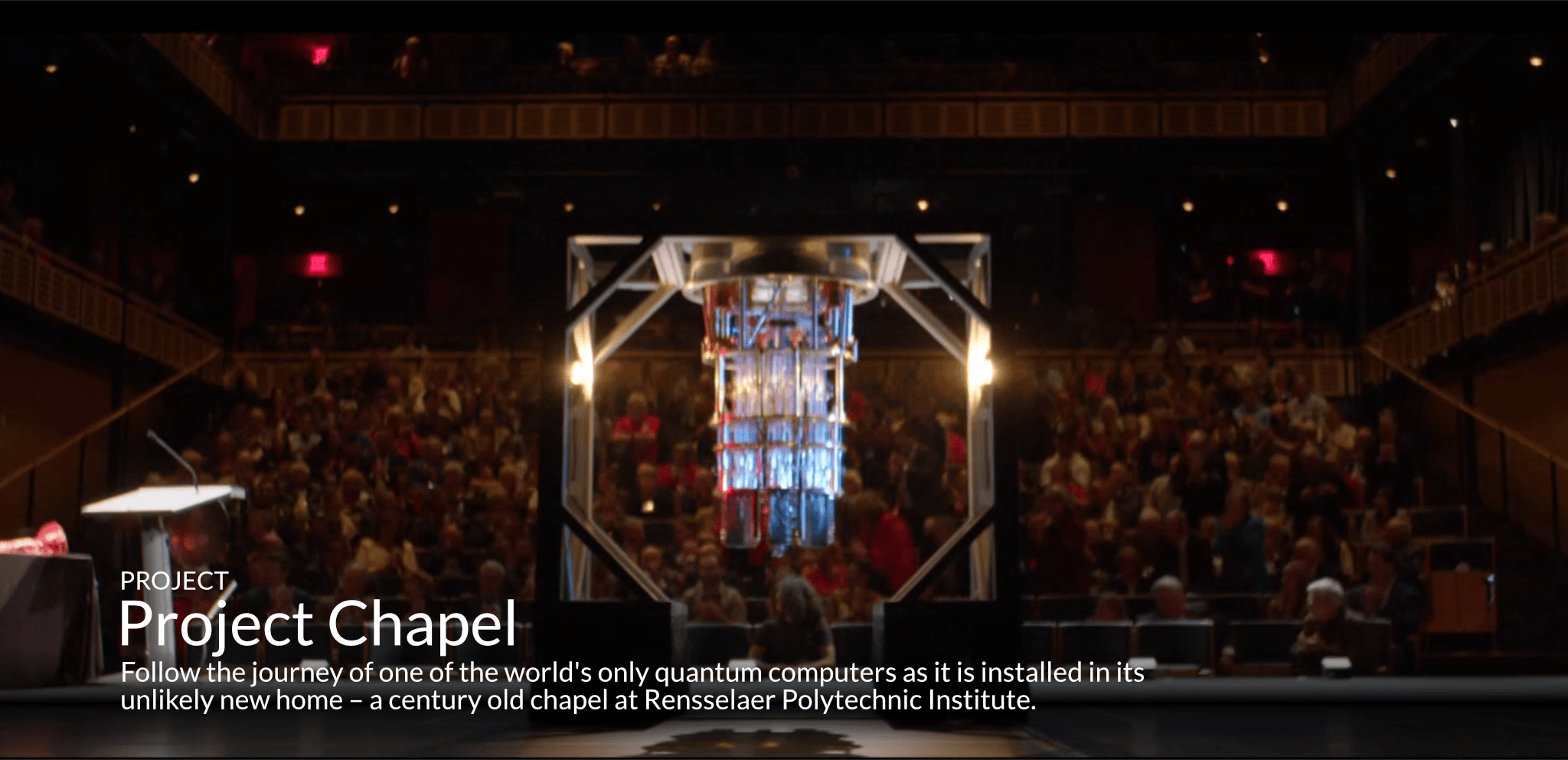
In a landmark donation from Curtis Priem '82, Rensselaer Polytechnic Institute — the oldest engineering school in America — received one of the only quantum computers in the world. This new documentary film chronicles the wonder and the challenges that can be expected when you do something that has never been done before.
Our Mission
Through pioneering programs and unique projects, The Priem Family Foundation empowers students and others to maximize their creative potential, transform their ideas into innovations of enduring impact and realize their dreams. We are nimble and experimental in our approach, committed to making things happen in big and small ways and dedicated to leaving a durable legacy to across human experience.
Our Program Areas & Partners
Education


Creativity




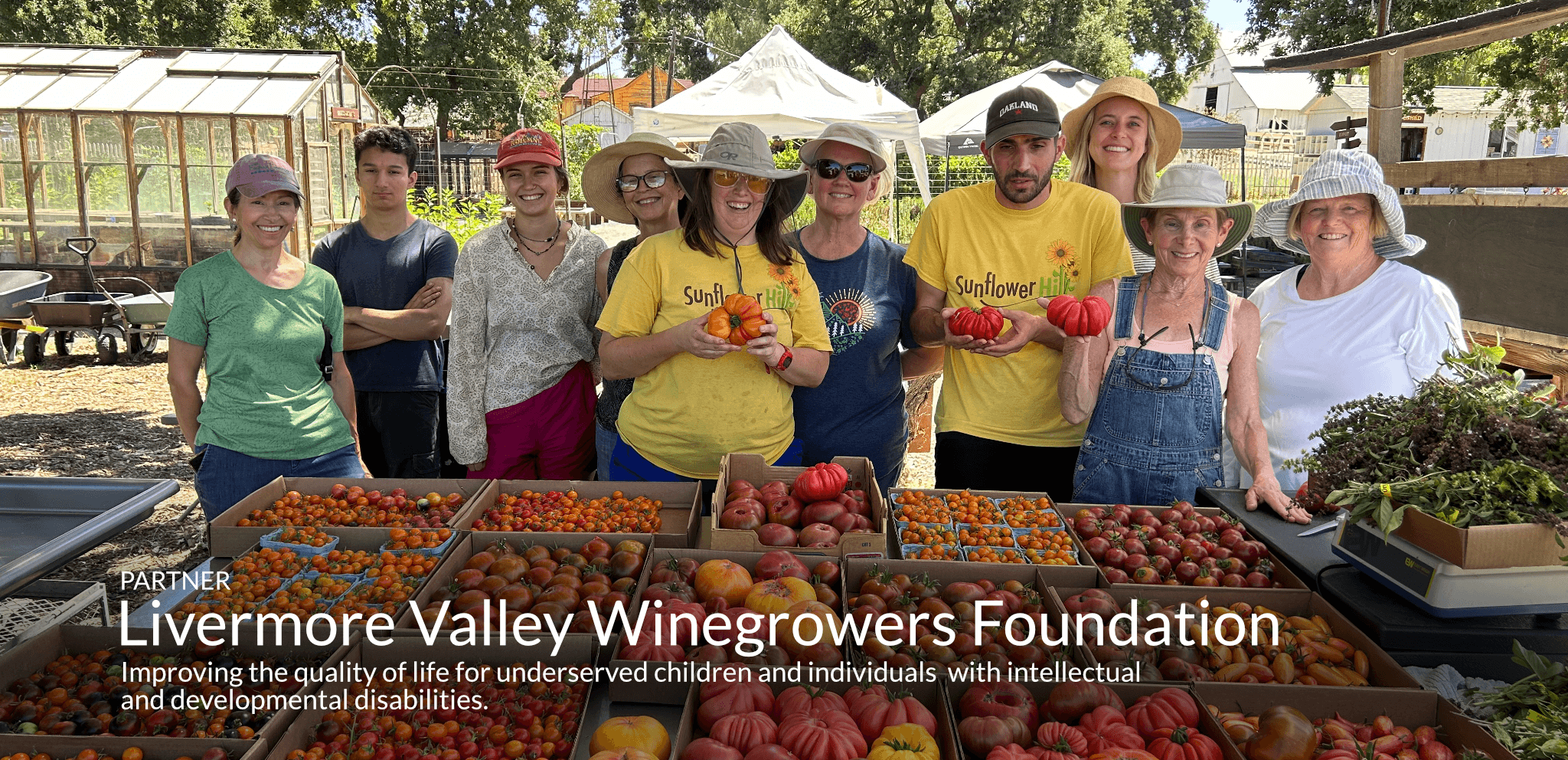
People with Disabilities



Community

About The Priem Family Foundation
Curtis R. Priem, visionary inventor and co-founder of NVIDIA, established The Priem Family Foundation in 1999. Led by Priem and his wife Cindi, the Foundation was born out of a powerful commitment to education and innovation, a passion to understand and spur creativity, and a desire to support those in need.
Since its inception, the Priem Family Foundation has made multiple transformative gifts to Rensselaer Polytechnic Institute (RPI), Priem's alma mater where he serves as vice chair of the Board of Trustees. These include establishing the Curtis R. Priem '82 Cognitive and Immersive Systems Constellation supporting faculty and students advancing research in cognitive computing, and the Curtis R. Priem Experimental Media and Performing Arts Center (EMPAC) where the arts, sciences, and technology intersect.
In 2023, the Foundation made its largest gift to date to RPI to deploy the first-ever IBM Quantum System One computer. In addition, the Foundation established the new Curtis Priem Quantum Constellation, a faculty-endowed center for collaborative research that will greatly enhance the educational experiences and research capabilities of students and researchers at RPI and other institutions, and retrofit Vorhees Computing Center for the Quantum Computer. With these game changing gifts, RPI will remain at the forefront of technology and innovation and lead the country in leveraging the most powerful technologies for the good of our nation.
The Priem Family Foundation funds projects primarily in the San Francisco Bay Area and Troy, NY. We proactively identify the organizations and projects we support. We do not accept unsolicited proposals.
§ § §
Innovation, creativity and vision are in Curtis Priem's DNA. In the embryonic days of computer graphics and video games, he saw that great potential lay ahead for visual technology and dedicated himself to graphics technology. He created the groundbreaking IBM Professional Graphics Adapter, the PC industry's first graphic processor and quickly established himself as a trailblazer in graphics processing for personal computers.
From 1986 to 1992 Priem served as senior staff engineer at Sun Microsystems, where he spearheaded the architecture and development of the Sun GX graphics product line. In 1993 he co-founded NVIDIA and served as founding Chief Technology Officer for the company's pivotal first decade. His prior work on the Sun GX graphics product line informed his developing the architecture for the Graphics Processing Unit (GPU) for NVIDIA — architecture that is as vital today as it was 30 years ago when he created it. Curtis's work set the stage for NVIDIA to become the pioneer in accelerated computing and leading manufacturer of graphics and multimedia integrated circuits.
"Our invention of the GPU in 1999 sparked the growth of the PC gaming market, redefined computer graphics, ignited the era of modern AI, and is fueling the creation of the metaverse," said Priem. "NVIDIA is now a full-stack computing company with data-center-scale offerings that are reshaping industry."
Along the way, Curtis has authored nearly 200 U.S. and international patents all of which relate to graphics and input/output systems.
Currently, Curtis is focused on exploring, writing, and speaking about the future of quantum computing.